
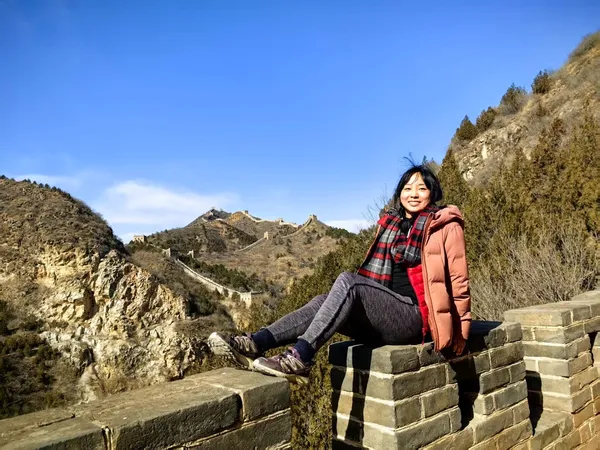
29 days in China - A Digital Postcard to my Western friends
Edit 17/03/25: As I continued travelling and spoke to more people, my perspective has broadened and changed. At this point I would rephrase many things written here. However, I like to keep the article as a snapshot of that moment in time and choose not to change anything.
Original in German, translated to English using AI
Hello my dear friends from the West,
I wish you all a happy year of the Snake! 🐍🏮🤍
Sending you lots of love from China! Right now, I’m in Beijing with Uncle Y, and tomorrow I’ll continue my journey to Taiwan.
So much has happened in the past 4 weeks, and looking back on the past years, I’m incredibly grateful for all the decisions I’ve made and the experiences that have shaped me - allowing me to even voice and realise my wish to explore my roots now.
It’s indescribable to be in an environment where my appearance isn’t considered exotic but normal.
And where everyone around me speaks only Chinese - my first language.
A little background check:
I was born in Germany and, at just a few weeks old, took my first flight to China. At four years old, we moved back to Germany, and since then, I’ve spent my summers in China every few years. The last time was in 2016 - more than 8 years ago.
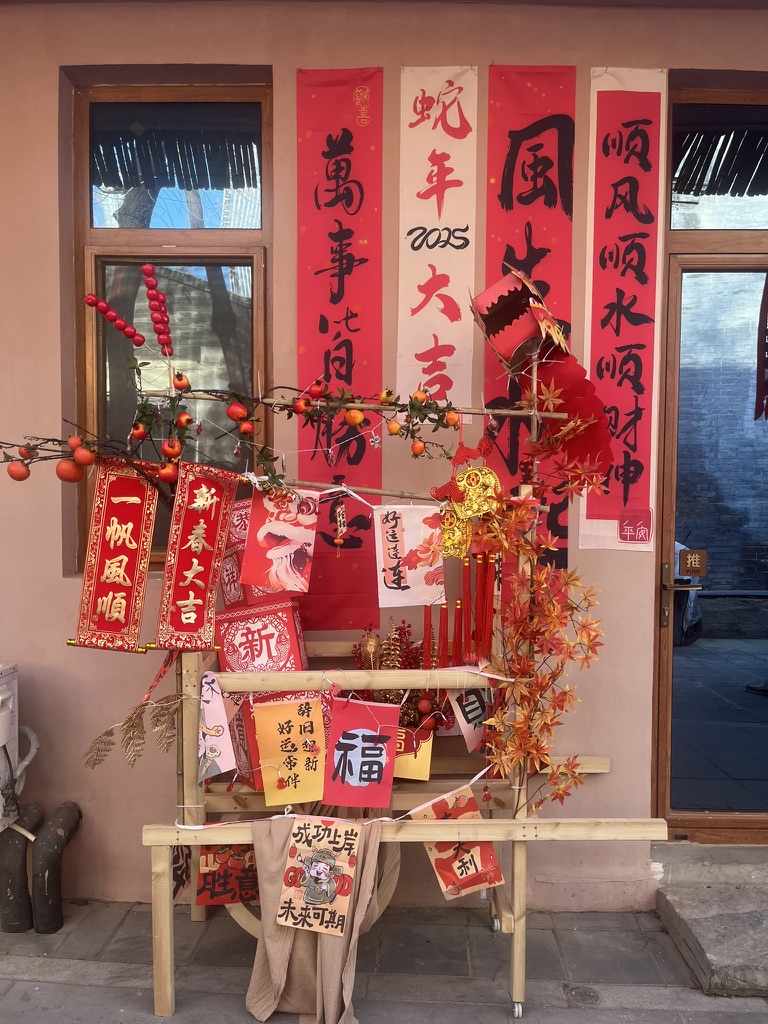
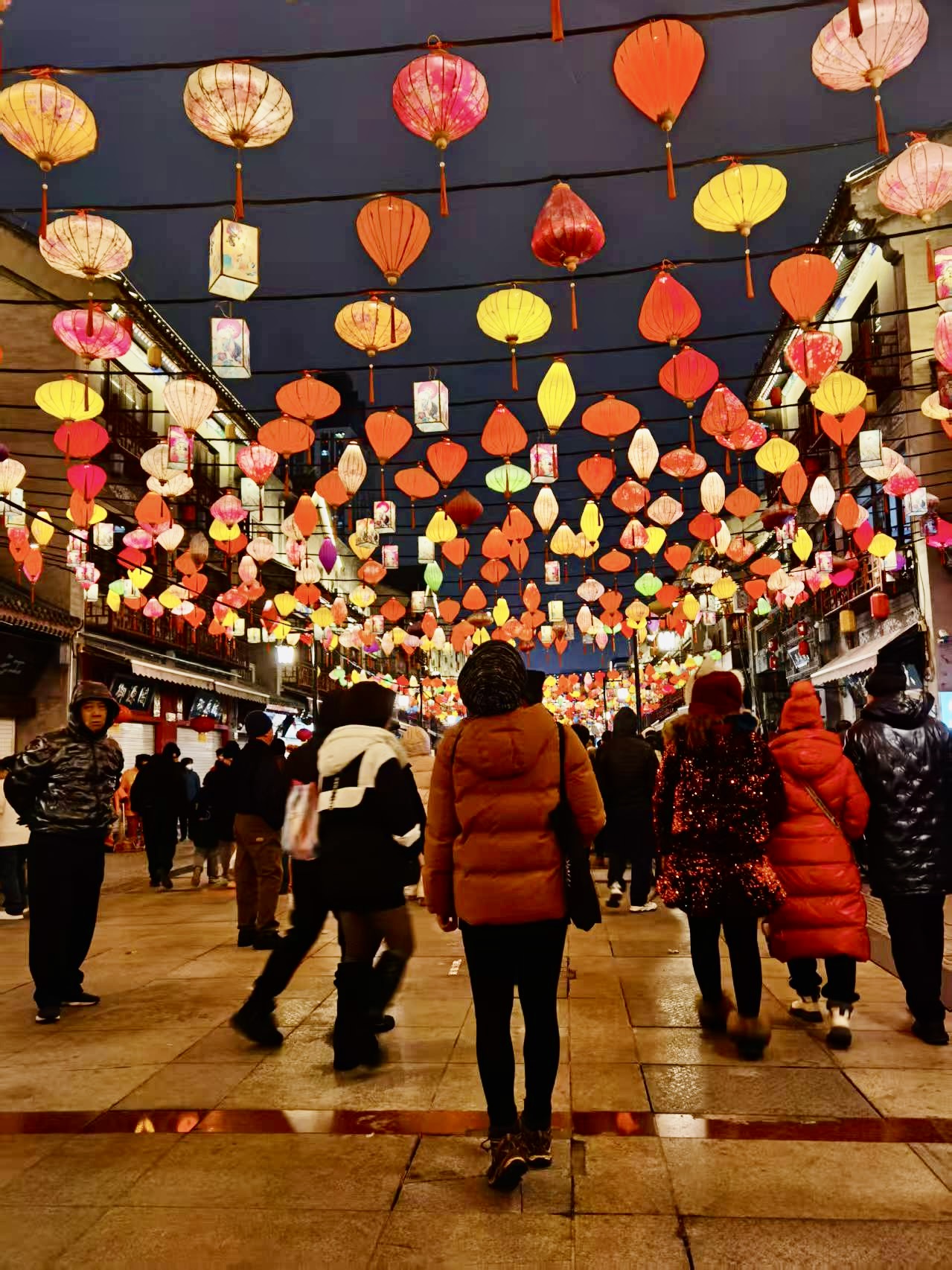
Chinese New Year 2025 in Tianjin
At my first stop in Tianjin, my aunt and her husband welcomed me like their own daughter, even though we hadn’t seen each other in over 10 years. They cooked for me, involved me in their daily lives, and we spent the weeks before and after Chinese New Year together.
I participated in the preparations the days before and learned about the the customs in the days after.
Experiencing Chinese New Year in China was like celebrating Christmas for the first time - it was all so new, exciting, and magical.
Despite some minor language barriers (I speak fluent Chinese, but with the vocabulary of a grade-schooler) and cultural differences, we had amazing conversations about global events and our views on life. I learned so much about my father’s family history and even dared to ask uncomfortable questions, driven by curiosity, to better understand the political, cultural, and familial events in China from the 60s to the 80s.
More culture, history and family in Beijing
At my second stop in Beijing, I was welcomed by my great-uncle, let’s call him Uncle Y, whom I hadn’t seen in over 20 years. Due to health issues (he’s in his early 70s), we only see each other in the mornings and evenings for meals, but our conversations have been wonderful.
I love how he also embraces the rapid digital transformation and stays so curious and eager to learn about new technologies. In China, almost everything is paid for digitally; cash theoretically still exists, but I haven’t used it once.
Uncle Y and my other uncle in Beijing, Uncle K, are more familiar with AI than I am, and the other day, they were even asking me about share more about Bitcoin, which is banned in China.
A few days ago, we visited my grandparents’ graves. I also learned a lot about my mother’s family history.
Just last year, I found out that I’m 1/4 Taiwanese because my grandfather was originally from Taiwan.
When I arrive in Taiwan soon, I’ll try to track down his hometown!
The Cultural Revolution in China (1966–1976) left deep marks. I don’t yet want to, nor can I, fully judge or contextualize it, but hearing stories from firsthand and secondhand experiences is intense. Still, I’m grateful for the broadening of my perspective.
I have so much more respect for older generations now and understand my parents a little better. These stories were never really tangible in Germany (especially as a child), but here, in this environment, history suddenly becomes real.
Well, my generation faces different challenges, and I find it incredibly important to keep exchanging experiences and learning from one another.
Now, onto another highlight of my journey:
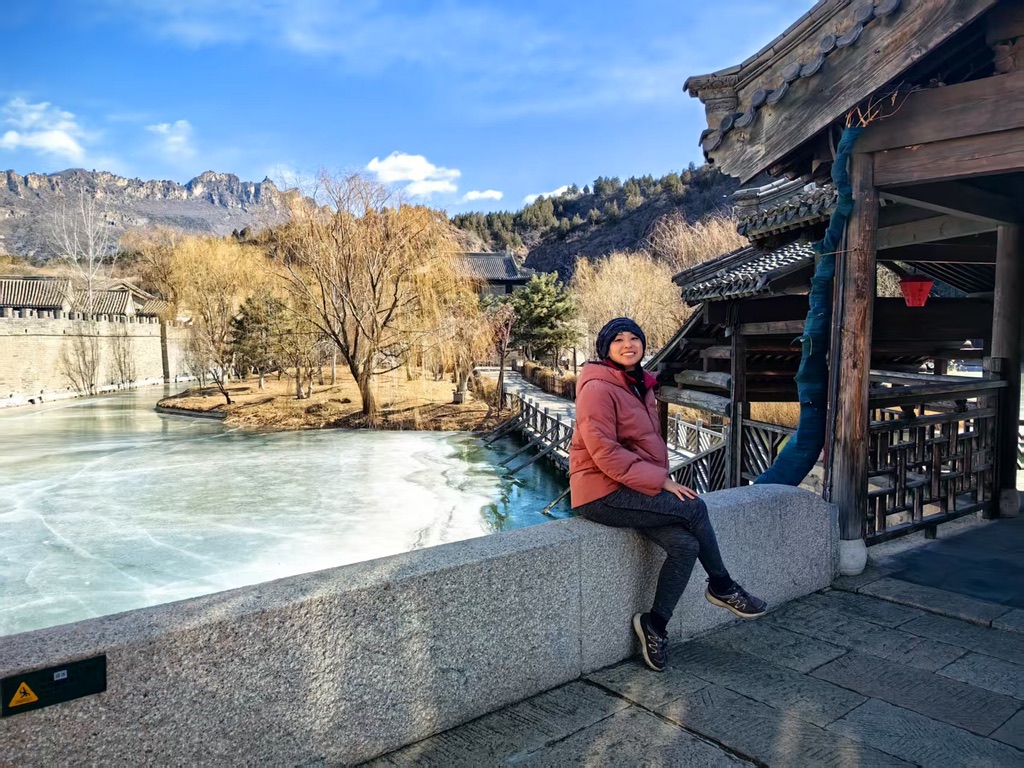
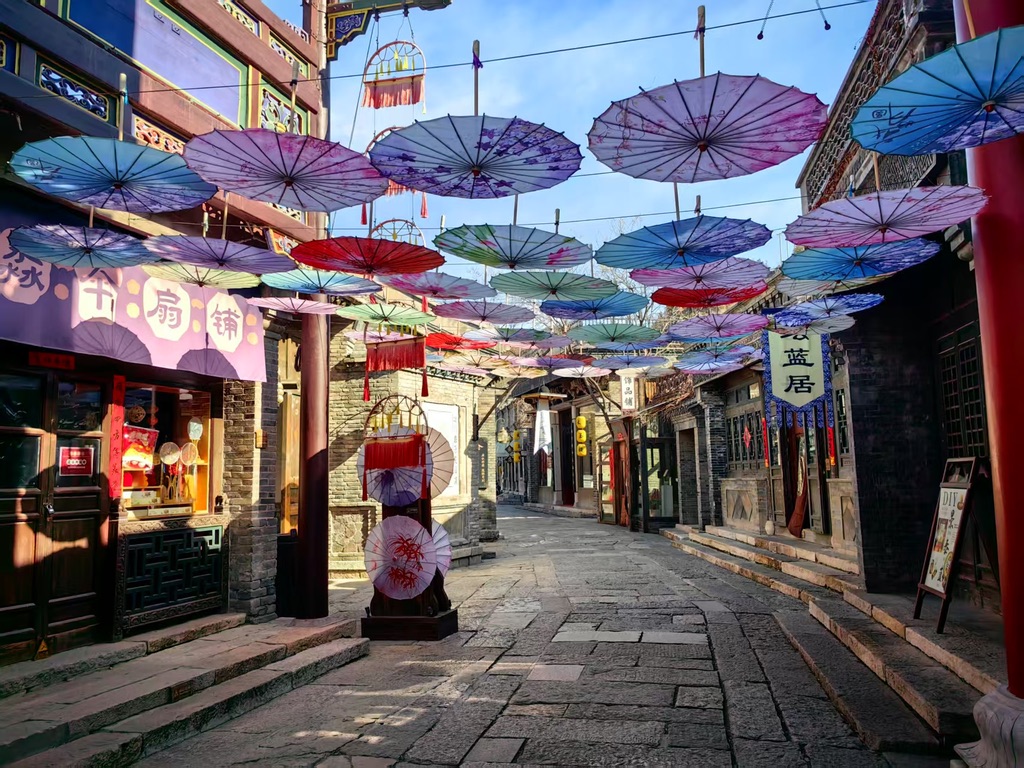
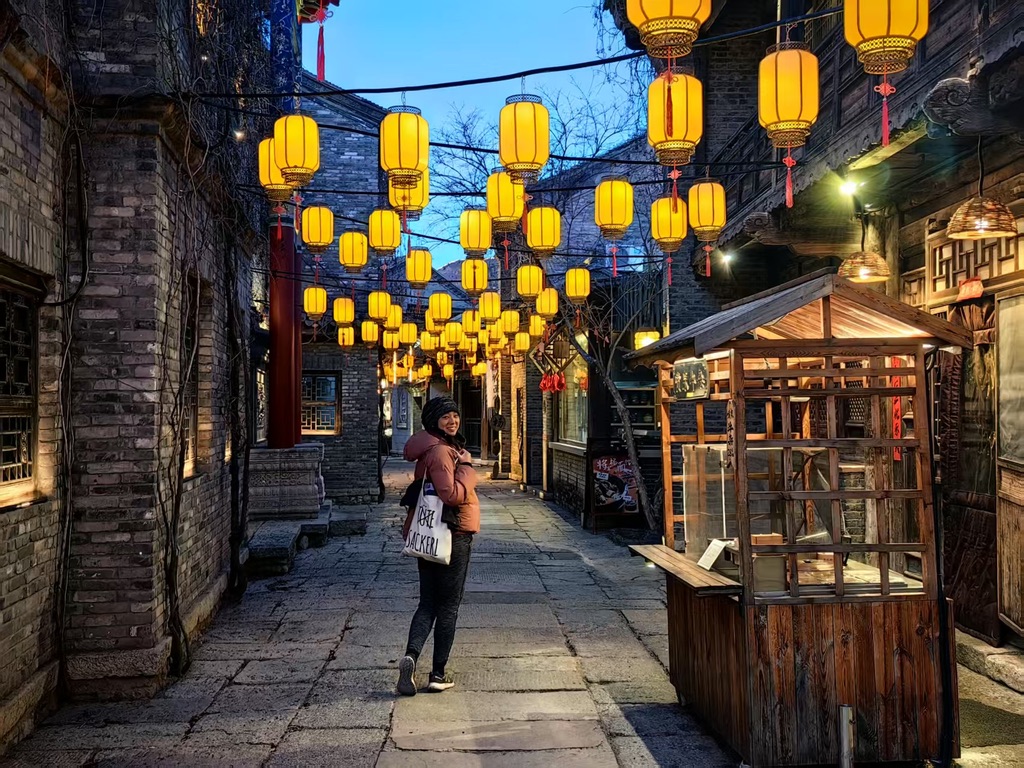
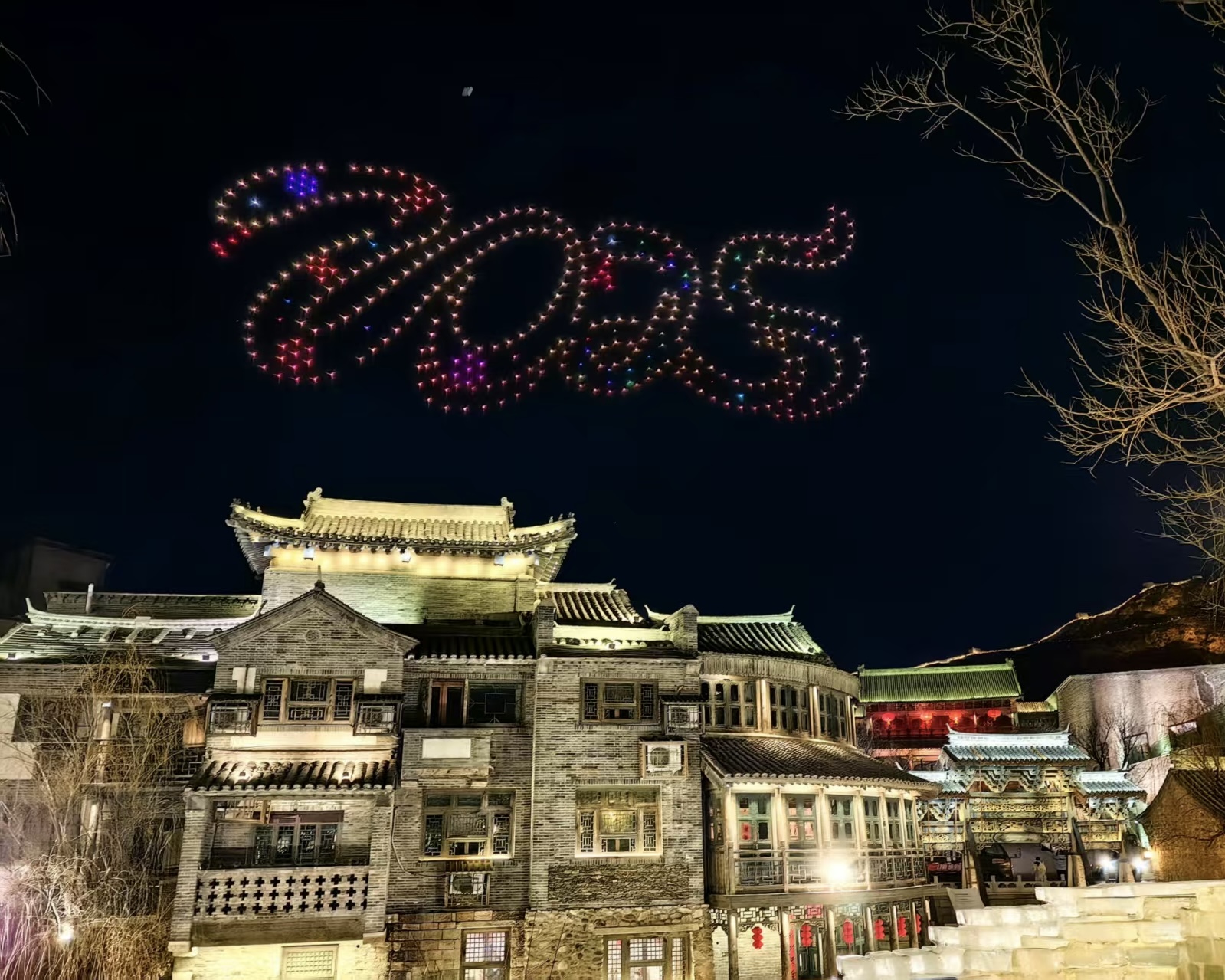
A trip with Uncle K to a small village near the Great Wall, called Gubei Water Town (古北水镇), for the 15th day of the New Year, also known as the Lantern Festival. ❤️
I’ll just leave a few pictures here.



All in all, hearing stories and opinions about my parents and our ancestral culture was incredibly healing for my inner child.
My aunts and uncles are much more open than my parents, probably partly because they’re aunts and uncles and not my direct parents.
And because they’re just really cool people.
It feels amazing to finally get answers to questions I never even knew I had, to gain more perspective, and to rewrite the story of my childhood.
I feel more whole.
Sometimes, I wonder how much easier my life would have been if I’d had more contact with my relatives and my roots.
But then again, my life would be completely different now.
Germany will always be a part of home in my heart.
But in China, for the first time, I have experienced patriotism.
The country isn’t perfect, not by a long shot. But seeing how clean the streets are, how incredible the drone performances are, how technologically advanced the country is, hearing how tens of millions of people have risen out of poverty in recent years, and how social media has transformed the lives of the poorest rural families within a short time, that fills me with pride.
I’ll wrap up this digital postcard (or whatever this has turned into) with some fun facts:
New favorite word
开心果 (kaixinguo, pistachio)
literally translated as “happy fruit” because pistachios look like they’re smiling 😄
Favorite compliment
“Wow, you’re a foreigner and not a local? I wouldn’t have guessed, you speak such great Chinese!” – from a shopkeeper.
The other day, I jokingly told my brother about a challenge: blending in so well that, at most, people think I’m just a bit slow because I constantly have to ask questions, but they’d never suspect I’m not a local. 😎 I understand about 80% of everything, but sometimes I just lack the vocabulary, back in Germany, I only speak basic everyday Chinese with my parents.
Biggest challenge
Letting go of my Western perspective and just absorbing everything like a newborn child, learning to process it over time.
Western media criticizes so much, and even I had a somewhat negative view of China.
Something that took getting used to at first was the lack of public privacy, paired with an increasing sense of security at the same time, especially in Beijing.
There are cameras everywhere and strict security checks at hotspots, the security at the National Museum was stricter than at the airport.
I constantly have to put aside my Western-influenced ideas and immerse myself in life here. With such a huge population, the cameras make total sense, and I actually feel safer here than in Germany. The streets are clean, and crime rates are lower than ever.
China has a population of over 1 bio. people, thousands of years of history, and is officially united only since ‘49. You just can’t simply apply systems and beliefs from European countries (which are the size of a Chinese province) to a country of a very different dimension, culture and past.
Biggest myth
A totalitarian surveillance system like the social credit system, where citizens’ behavior is rated, doesn’t actually exist.
Apparently, it was tested in a small city about 10 years ago, but Western media blew it out of proportion, and many still believe that there’s a nationwide point system evaluating citizens’ actions.
I can’t say 100% that it’s not being tested in small towns, but in major cities, it has never existed, and none of my relatives have ever heard of it.
Everything with two wheels regularly runs red lights, and no one visits their parents just to earn a few extra points (wtf?).
Yes, there is a credit score system (such as the Schufa in Germany) that rates your financial credibility, but that’s a standard thing in most countries.
However, it is true that politically critical statements are not allowed and are censored.
(Tbh, if I look at German media landscape at this point, censorship and discussion between a right and wrong view is happening as well. But I don’t want to get political here.)
Things I love here
- You can find free warm water in many public places, as well as plenty of warm drinks and food. Chinese people love warm things.
- How fast and smoothly everything moves. I can’t really describe it well, but it feels like everyone is moving as a collective. The streets seem chaotic, but I’ve only seen maybe one accident so far. It’s like an ant colony, chaotic at first glance, but somehow, it just works.
Things I’m not a fan of
- Public displays of affection don’t really exist, and people don’t exchange hugs. 😢
The country is still too conservative for that, maybe it’s different in more modern cities like Shanghai. - Coffee prices: 4-5€ per cup, which is equivalent to 1-2 full meals. So, I’d rather stick to…
… my new Favorite Drink
Yogurt or milk on the go! I’d never think of taking something like that with me in Germany, maybe because of the whole vegan hype, but here, I love it.
Favorite food
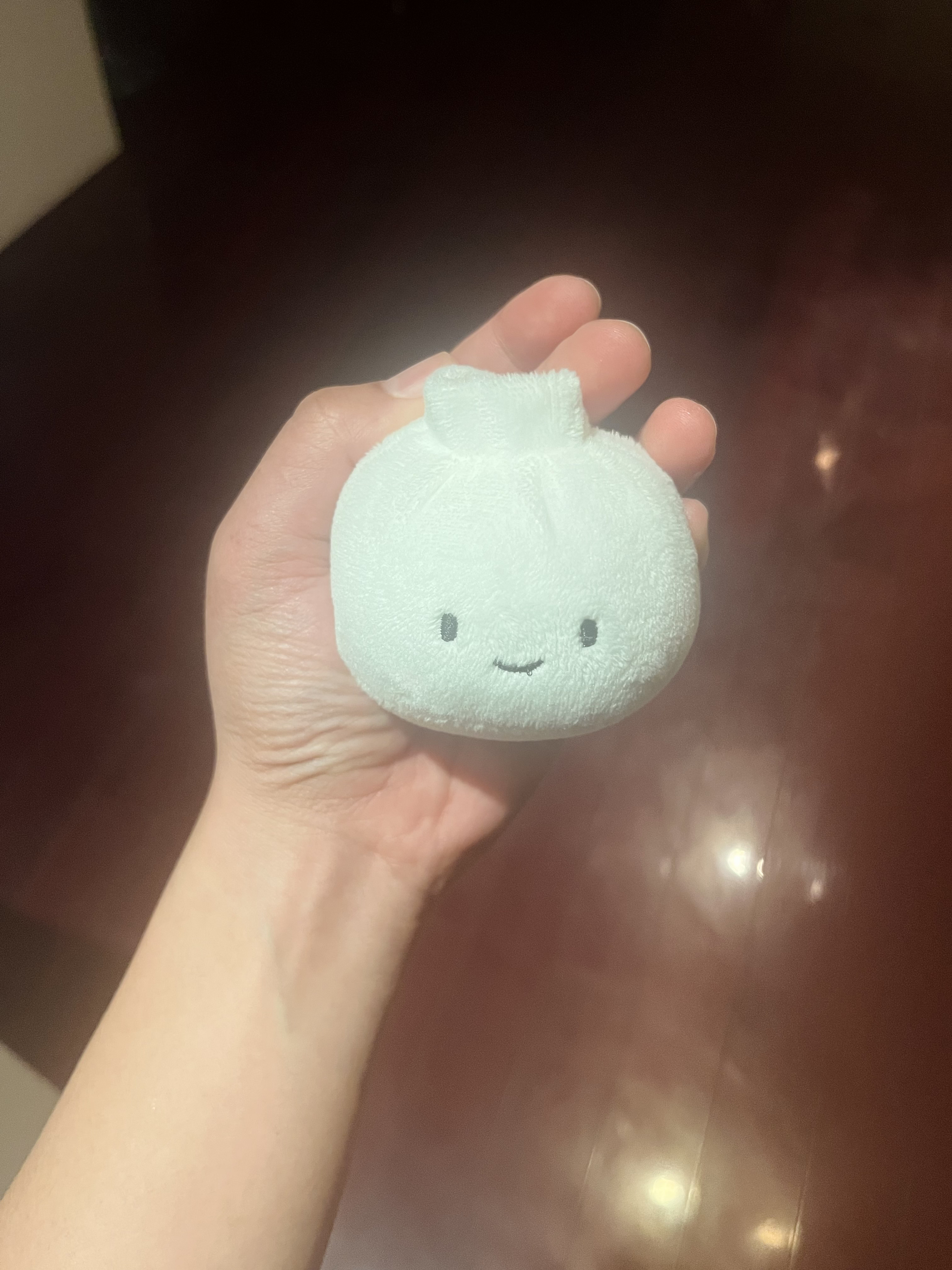
Baozi: so fluffy and soft. I loved them as a kid, and they still taste like cozy home.
And with that, I’ll wrap up my recap and hope you had just as much fun reading it as I did writing it! 🥰
Wishing you all a wonderful rest of the winter months and sending a big hug to Germany, or wherever you may be in the world ♥️
Hugs,
Nina (妮娜)