Arrival in Tianjin
First Impressions
When I entered the arrivals hall, it didn’t take long to find my aunt among the sea of Chinese faces. Uncle stood beside her, and they welcomed me excitedly. Auntie linked her arm through mine on the way to the car, and a warm feeling of comfort spread through me.
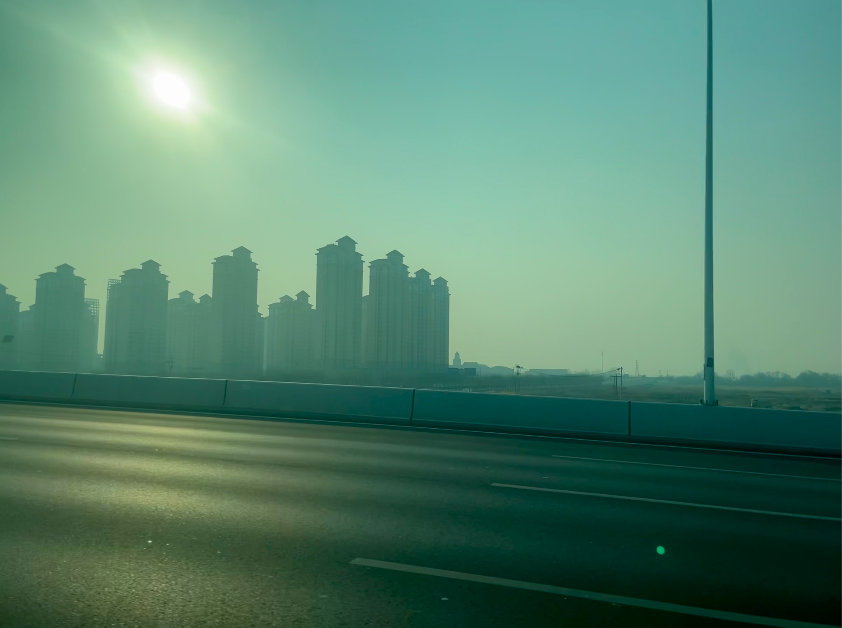
The drive from Beijing Airport to Tianjin takes about an hour by car, thirty minutes by high-speed train. As we drove, I marveled at the endless high-rises stretching into the distance. The sky was surprisingly clear - clearer than I’d expected.
A conversation with my mum before departure came back to me:
“Tianjin is small,” she’d said. “But you’ll still experience a lot there.”
I’d laughed.
“Mum, Tianjin is a Tier-1 city with 13 million people. That’s not small!”
“It is, compared to Beijing with 22 million!”
This captures the scale you suddenly operate in when you’re in China, as opposed to Germany, where cities of 1-2 million are considered large. After Beijing and Shanghai (15 million), Tianjin is China’s third-largest city.
It’s characterized by a unique mix: well-preserved European concession areas from the 19th century, traditional Chinese flair, and futuristic skyscrapers.
I would learn much more about this in the coming days.
The drive turned out to be surprisingly pleasant. The conversation flowed easily, curiosity on both sides. I’d last seen Auntie and Uncle fifteen years ago as a teenager, and we’d had no contact since. Before my departure, Auntie and I had only exchanged practical details over WeChat video calls.
Welcome to Tianjin
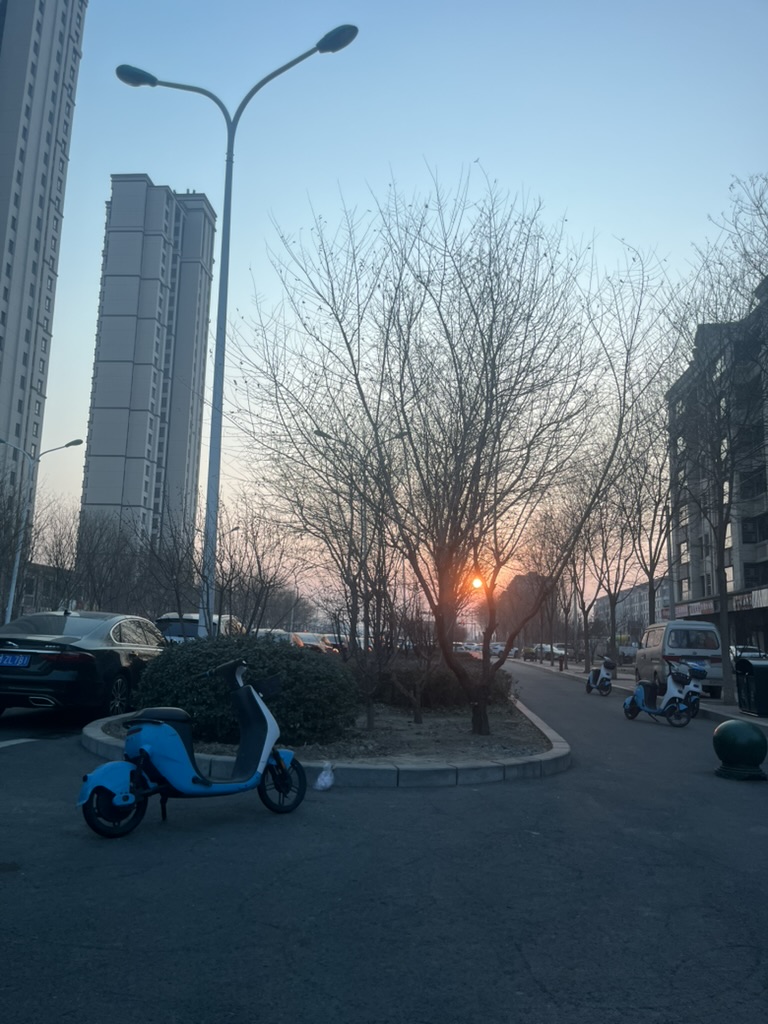
I arrived at their apartment in a typical high-rise complex: a residential development like millions of others across China. Thanks to the rapid urbanization and modernization of the past two to three decades, these uniform residential towers now define the skyline of Chinese metropolises.
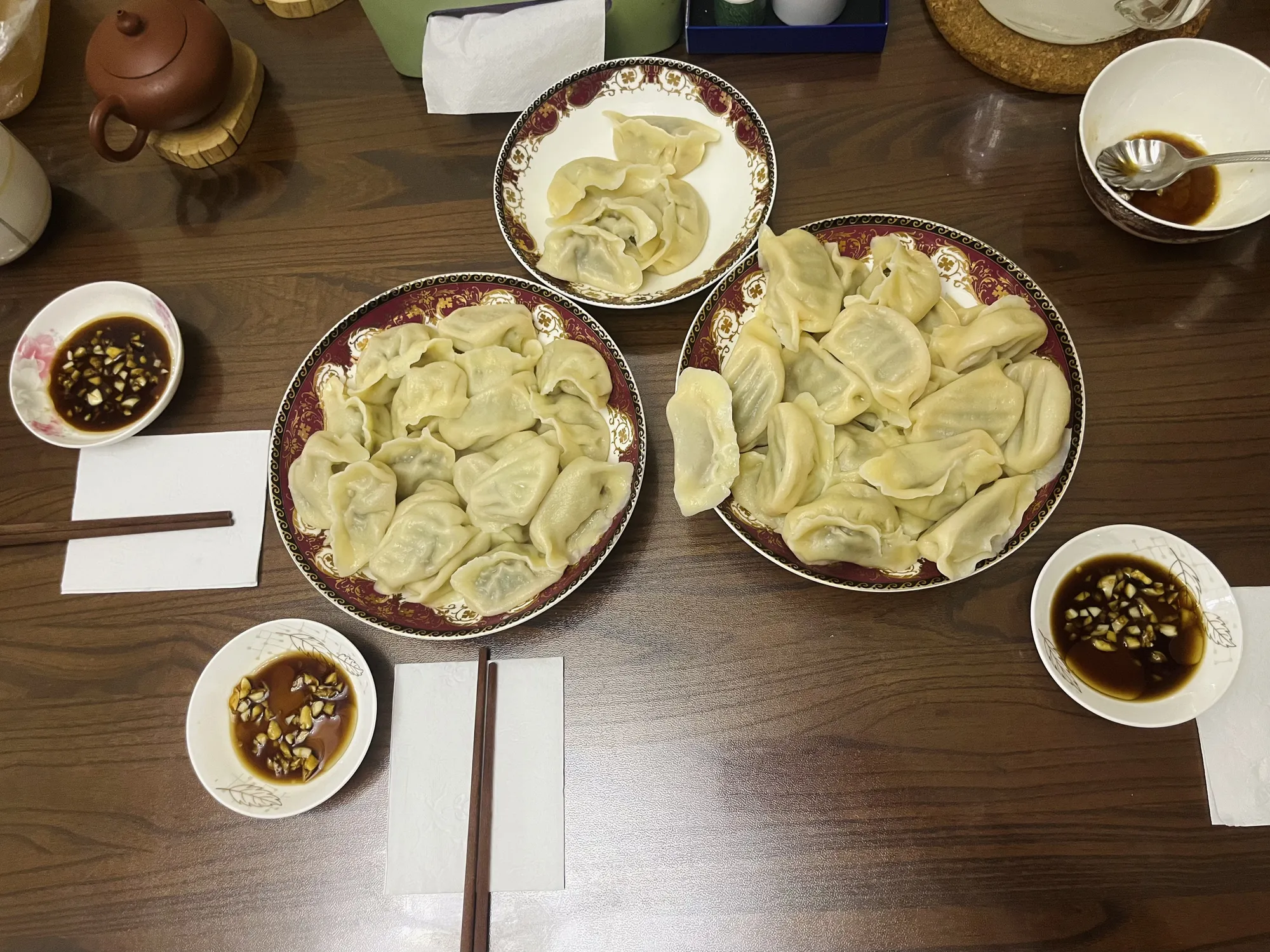
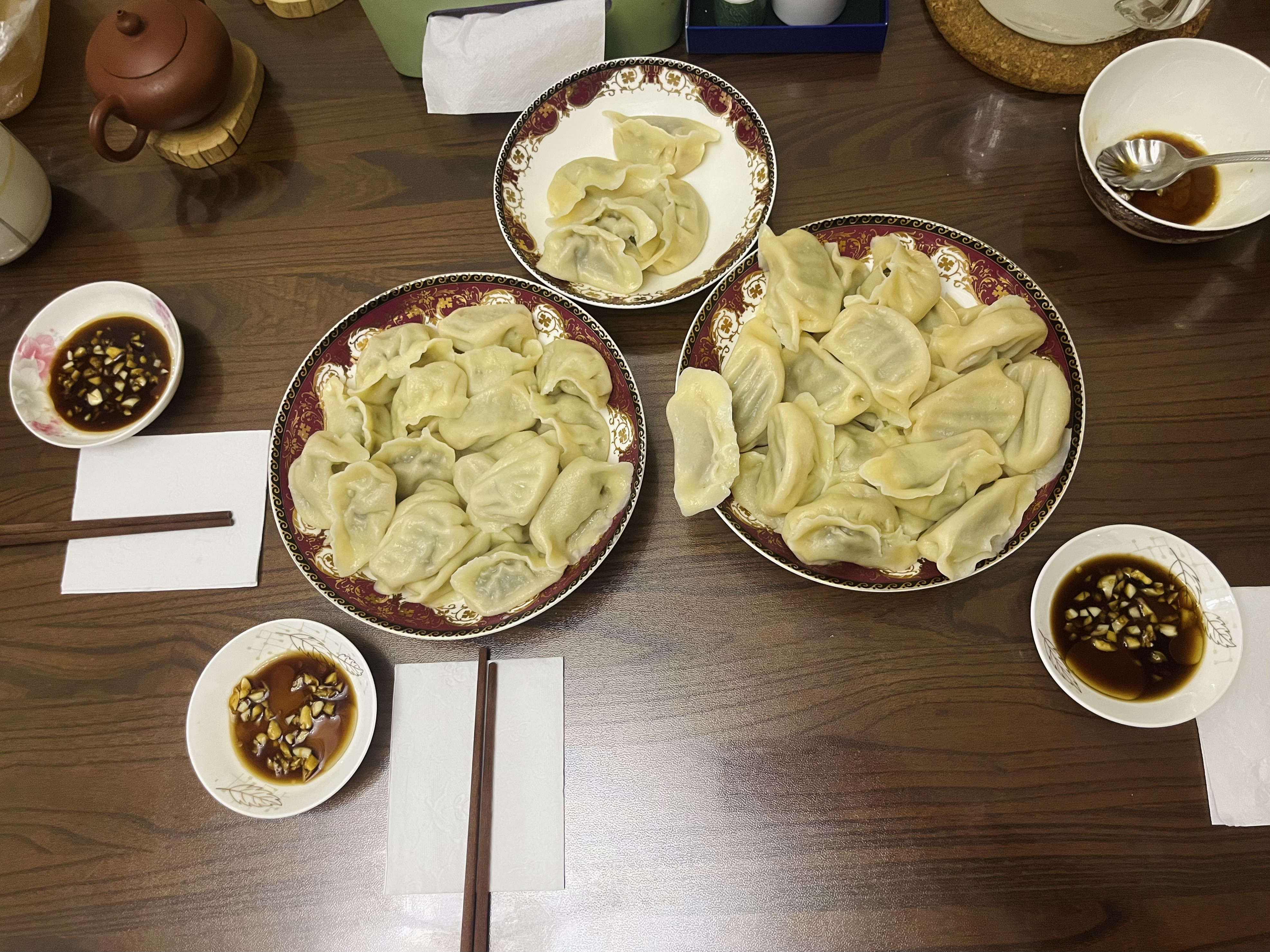
I made myself comfortable in my room and took a moment to exhale. Everything felt like a dream and my brain still hasn’t caught up with reality. When I returned to the living room, I was surprised with welcome jiaozi that they’d made just for me shortly before I arrived. Tears welled up in my eyes as I expressed my gratitude. Food is an international love language, and especially in China, it’s huge. I also noticed a cup with German letters on the table that my dad had apparently left during his last visit. A strange touchstone of familiarity in this new-old place.
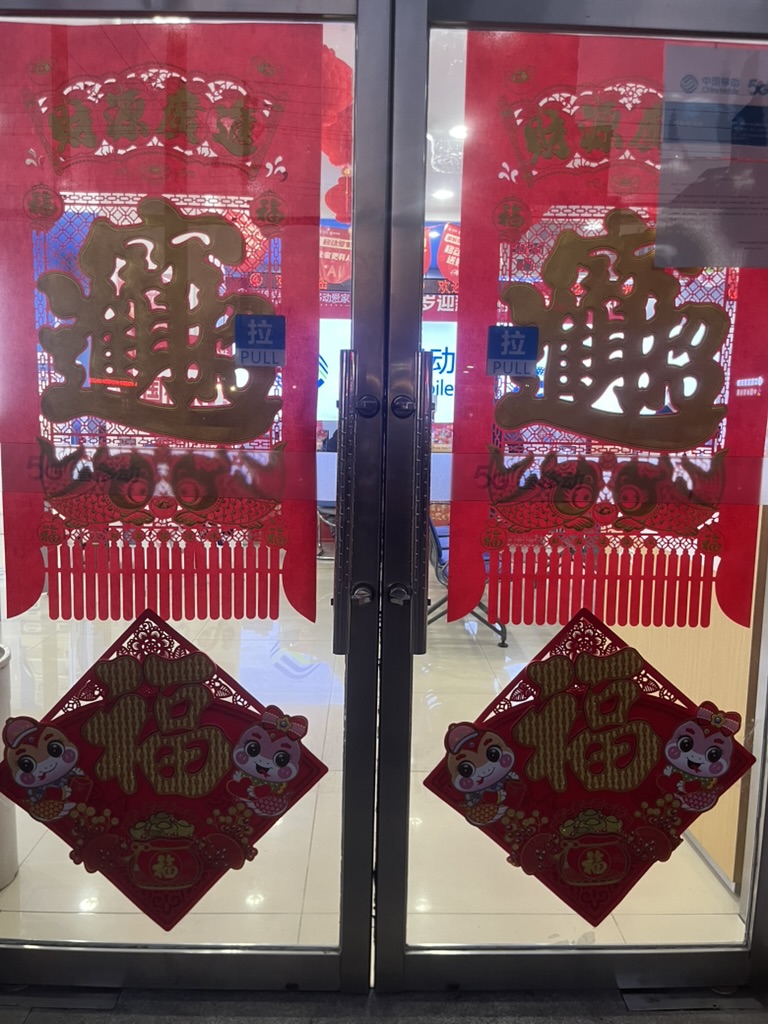
After eating jiaozi, we drove into the city to get me a Chinese SIM card. China Mobile (中国移动), China Unicom (中国联通), and China Telecom (中国电信) are the three largest mobile providers in China - we went to the first one.
Everywhere I looked: red New Year posters, red glowing signs and lanterns. I tried to soak it in all at once. The smell of street food. The grey traditional architecture besides modern shopping malls. Chinese characters on every sign (most of which I could actually read). The sound and flow of spoken Mandarin.
This was Tianjin. This was China. I had arrived.
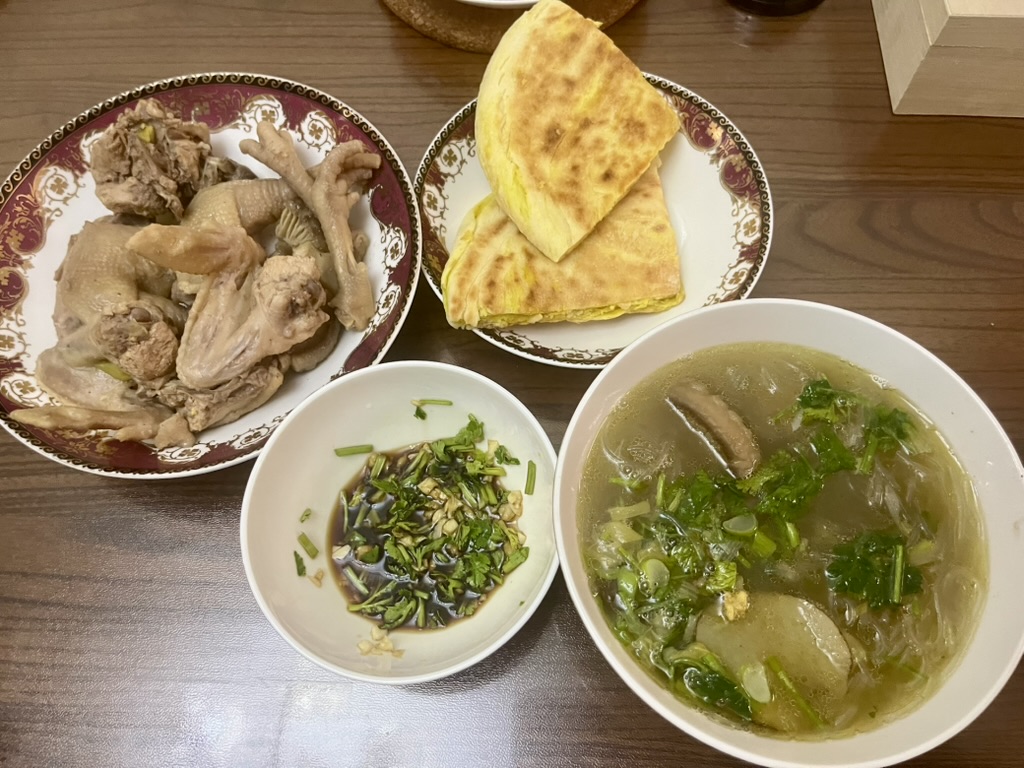
When we arrived back home, auntie and uncle made ‘proper’ dinner:
radish soup with chicken and homemade tumeric bread.
I fell into bed that night, full of food & gratitude.