
How to Listen to The Inner Child in the Face of Turmoil
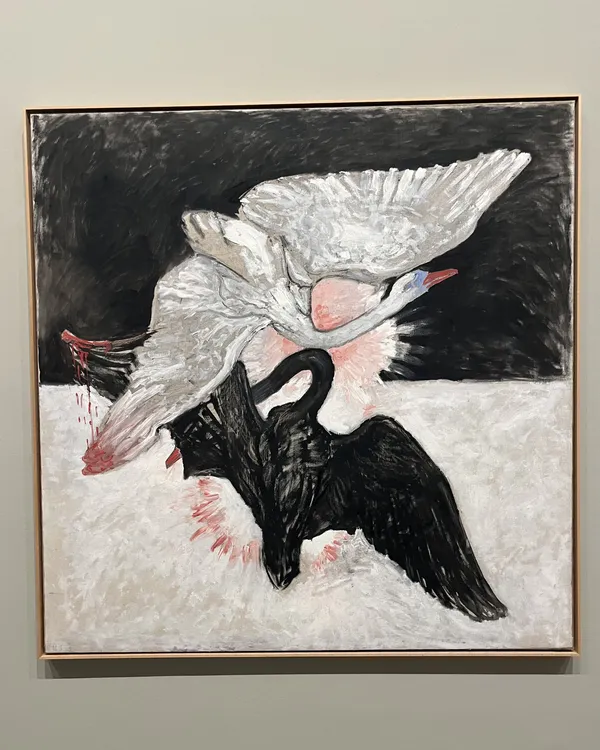
// artwork: hilma af klint, swan no. 2
Children in the Bodies of Adults
Watching adults turn into hurt children and start to throw tantrums out of the blue is one of the most painful things for me to witness and bear.
Especially, if they are older than I am. Emotional maturity knows no age.
Whether it is a fearful client who feels overwhelmed with technical details and need some hand-holding and words of encouragement or a lover who gets triggered by a side remark and shuts down from one second to another - in those moments I always have the choice:
Do I participate as well in playing out the hurt child role and react emotionally and unconsciously to the situation? Or am I able to keep my calm and stay cool-headed, and try to ease the tension?All of these mindfulness practices nowadays such as meditation, breathwork or yoga serve this very purpose:
So all starts within myself.To remember who I am and why I am here.
To bring more beauty and harmony into the world.
To soften the edges in loaded situations.
To ensure the flow of energies in systems and people.
Am I able to speak up and address blockages with compassion when I see them?
Am I able to stay in relationship without blame or rejection?
Can I let curiosity and openness guide my words?
Helpful questions to ask
(I came across these 2 questions that I find very helpful. Unfortunately, I forgot the source, if you know, please let me know so I can give proper credits!)- How old am I now?
- What do I need?
Most of the time, we don’t even know what we need, because we never ask ourselves that question!
Am I 4 right now and simply need a hug? Am I 14 and need a moment to breathe? Maybe a short walk? Do I need words of assurance?
Being provided and providing an environment of emotional safety is key.
I want my feelings to be validated; I want to feel accepted and loved.
I noticed that most men tend to respond in those situations with a ‘let me fix this for you’ approach trying to rationalise the problem, while women are more likely to hold space for whatever emotion is present and empathise.
No matter how we prefer to respond, we can always choose the intention of love and stay with the other person, even if we are triggered as well, and listen curiously to what the child in all of us wants to communicate.
And as much as I like playing the role of the diplomat, I always make sure afterwards, that I haven’t neglect my own needs by overgiving and recalibrate when needed.